Eco-Friendly Weddings: Sustainable Ideas for the Conscious Couple
Planning a wedding is one of the most personal things two people can do together. It's also, if we're honest, one of the most resource-intensive events most of us will ever host. The average wedding generates a significant amount of waste — from imported flowers flown in overnight to single-use plastic favors that end up in a landfill by Sunday morning. But a growing number of couples are choosing a different path, one where the celebration reflects not just their love for each other, but their values as a partnership.
A sustainable wedding doesn't mean compromising on beauty, elegance, or meaning. In many cases, eco-conscious choices produce a more distinctive, personal celebration than a conventional wedding ever could.
Why Sustainable Weddings Are Having a Moment
Eco-friendly weddings have moved from niche trend to genuine mainstream consideration, driven by couples who want their biggest celebration to align with how they actually live. The shift reflects a broader cultural turn toward ethical consumerism — the idea that spending decisions are also value statements.
Millennials and Gen Z couples, in particular, are rethinking inherited wedding traditions. They're asking harder questions: Where did these flowers come from? Who made this dress? What happens to the food at the end of the night? These aren't killjoy questions — they're the questions of people who care about the world they're getting married into.
The good news is that the wedding industry is responding. Vendors who specialize in zero-waste weddings, biodegradable décor, and plant-based catering are more accessible than ever. What once required significant research and compromise now requires mostly intention.
Choosing a Venue That Aligns With Your Values
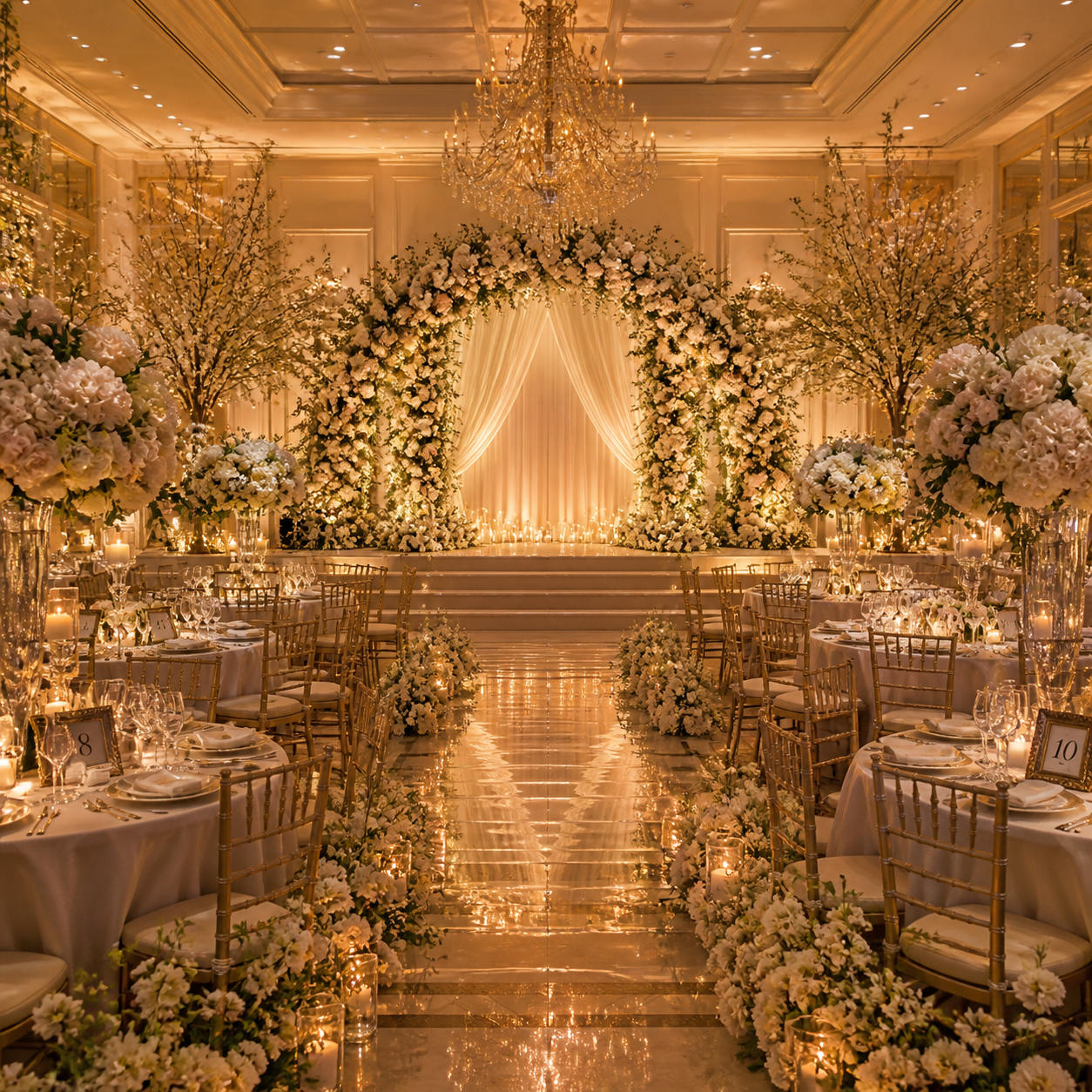
The venue is arguably the single most impactful sustainability decision you'll make. A green wedding venue can reduce your event's carbon footprint before a single flower is arranged or a single plate is served.
When evaluating venues, look beyond aesthetics. Ask directly: Does the venue use renewable energy sources? Is there a composting or recycling program on-site? How is waste managed after events? Venues that can answer these questions clearly — and specifically — are usually the ones genuinely committed to sustainable operations rather than just using the language.
Outdoor settings like farm properties, botanical gardens, and restored estates often require less artificial lighting and climate control, which cuts energy use significantly. Low-travel accessibility matters too — a venue within reasonable distance of where most guests live reduces transportation emissions across the board. If destination weddings are important to you, consider offsetting travel emissions as part of your planning budget.
Certifications to look for include B Corp status, LEED certification for built venues, or membership in sustainability-focused hospitality networks. These signal third-party accountability, not just good intentions.
Florals and Décor: Beauty Without the Waste
Conventional wedding florals carry a surprisingly heavy environmental footprint. Most cut flowers sold in the US and UK are imported — often from South America or Africa — traveling thousands of miles in refrigerated cargo before reaching your florist. They're typically grown with heavy pesticide use and arrive wrapped in single-use plastic.
The alternative isn't less beautiful. Locally grown, seasonal blooms sourced from nearby farms or even foraged hedgerows often have a wildness and texture that imported hothouse flowers can't match. Ask your florist specifically about local and organic sourcing — many florists now work with regional growers and will accommodate requests if you ask early in the planning process.
Dried flower arrangements have surged in popularity for good reason: they're harvested once, require no refrigeration, and can be kept as keepsakes long after the wedding. Potted plants double as décor and guest gifts, living on well past the day itself. For confetti, swap synthetic or even fresh petal options for biodegradable confetti made from dried leaves, seed paper, or dried lavender.
After the wedding, arrange for florals to be donated to hospitals, care homes, or community centers. Several organizations coordinate exactly this kind of redistribution — it takes one email to set up and ensures nothing goes to waste.
Sustainable Stationery and Digital Alternatives
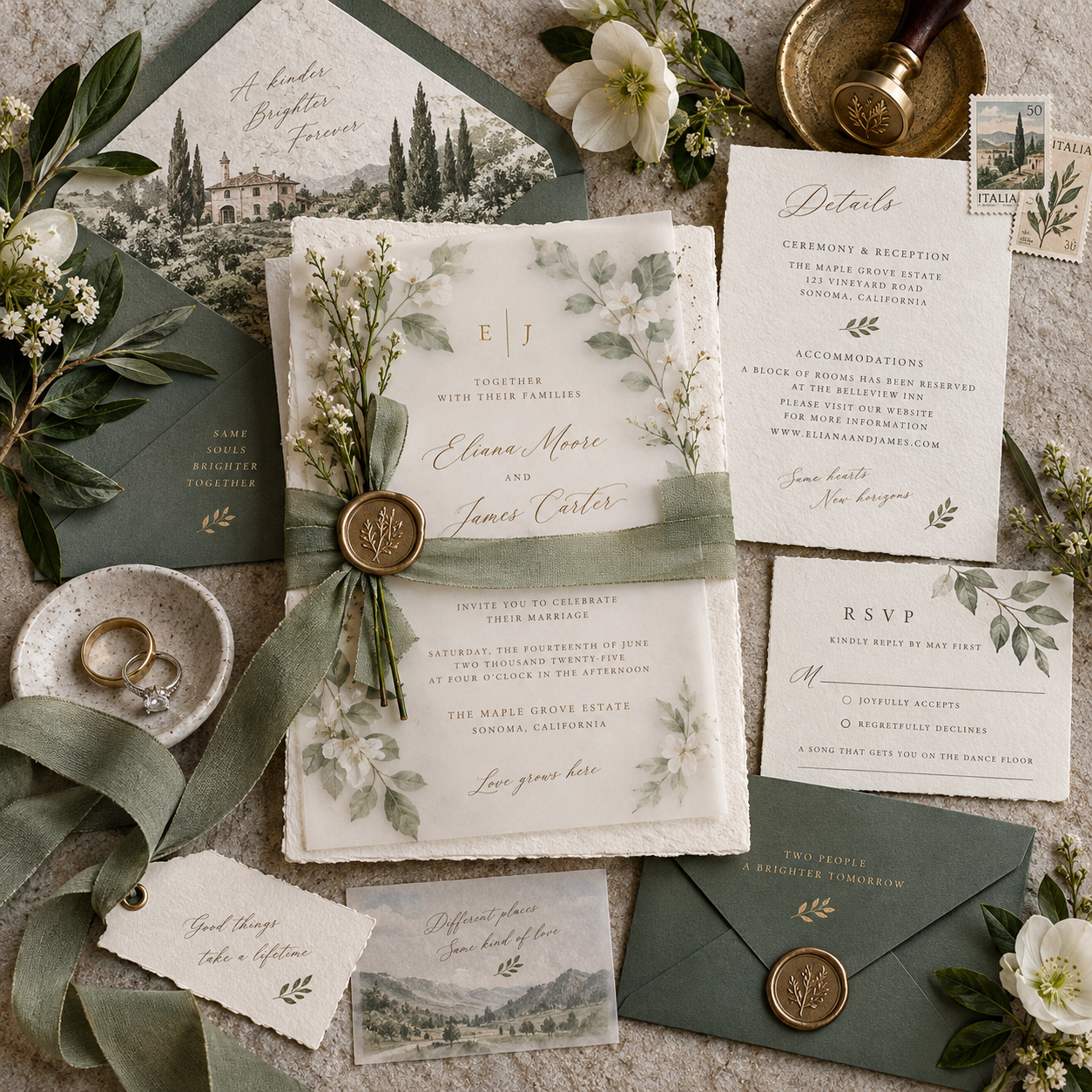
Paper waste is one of the easiest areas to address in sustainable wedding planning. Digital invitations and RSVPs have become genuinely elegant — platforms now offer beautifully designed e-invites that rival anything printed, with the added benefit of real-time RSVP tracking.
If you love the tactile experience of physical stationery, seed paper is worth serious consideration. Guests can plant the invitation after the wedding, and it grows into wildflowers or herbs. It's a memorable touch that turns something disposable into something alive. Recycled-paper options with soy-based inks are another strong choice for couples who want print without the environmental cost of virgin paper production.
For day-of materials — menus, programs, table cards — consider a single printed piece per table rather than individual cards, or use a QR code linking to a digital wedding website that covers all the same information. Most guests under 50 will find this completely natural.
Ethical Fashion: Dressing the Part Responsibly
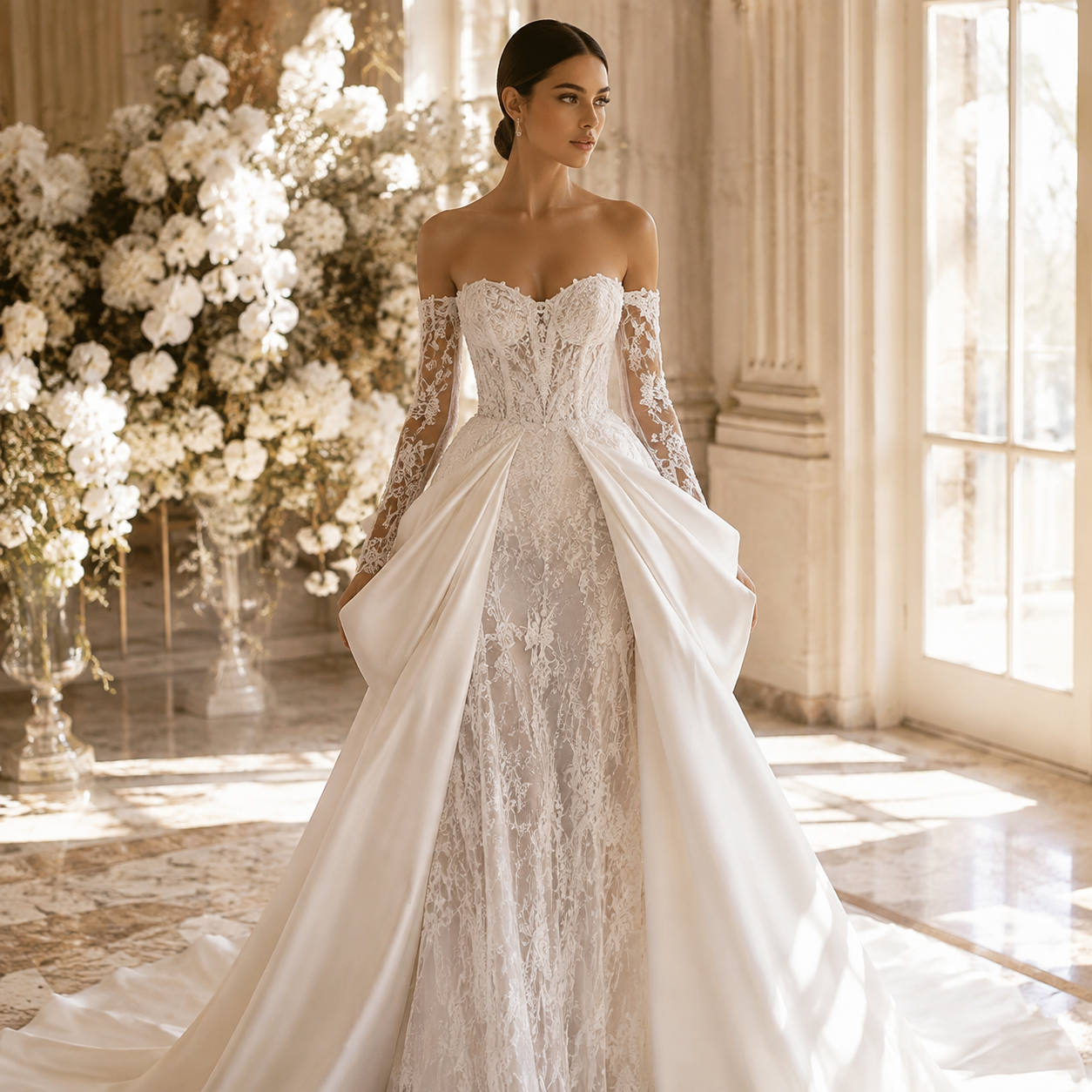
Wedding attire is worn once by most people who buy it, which makes the fashion industry's environmental argument particularly stark in this context. A brand-new gown produced under conventional fast-fashion conditions carries a significant carbon and water footprint for a single day's wear.
Second-hand bridal gowns are having a genuine renaissance. Platforms like Still White, Nearly Newlywed, and local consignment boutiques carry designer and couture pieces at a fraction of retail price — often worn once or twice. Vintage finds from the 1960s through 1990s offer silhouettes you simply can't find in current collections, and they carry a story.
For suits and formalwear, rental services make enormous sense. A well-fitted rented suit costs less than purchasing, requires no long-term storage, and keeps garments in circulation rather than closets. Several ethical fashion designers now prioritize sustainable production methods, organic fabrics, and fair labor practices — if buying new matters to you, these are the brands worth seeking out.
Don't overlook bridesmaids and groomsmen. Asking attendants to wear something they already own, or choosing separates they can realistically wear again, is a small ask that reduces collective waste meaningfully.
Catering With a Conscience
Food and beverage is where sustainable wedding planning gets both practical and delicious. A plant-forward menu built around seasonal, locally sourced ingredients is one of the highest-impact choices you can make — and it's increasingly what couples actually want to eat.
Work with your caterer to understand where ingredients come from. Ask specifically about their relationships with local farms, their approach to seasonal menus, and how they handle food waste after the event. A caterer committed to sustainability will have clear answers. One who hasn't thought about it will hedge.
Minimizing single-use plastics at the reception is table stakes at this point — opt for real glassware, ceramic plates, and cloth napkins rather than disposables. For bar service, prioritize local craft breweries and wineries; the provenance story also makes for great conversation.
Perhaps the most impactful catering decision: arrange in advance for leftover food to be donated. Organizations like Feeding America connect event organizers with local food banks that can collect surplus food the same evening. This single step can redirect hundreds of meals from waste to people who need them.
Small Touches That Add Up: Favors, Transport, and Offsetting
The details of a wedding — favors, transport, end-of-night logistics — seem minor individually, but collectively they shape both the guest experience and the event's environmental footprint.
Plantable favors are among the most beloved sustainable swaps: seed packets, small potted succulents, or packets of locally sourced honey give guests something they'll actually use and remember. Skip the personalized plastic trinkets that end up in a drawer for six months before being discarded.
For transport, coordinate carpooling through your wedding website or a group chat, or arrange a shuttle service from a central location. This is especially effective for venues outside city centers where guests would otherwise drive individually. Some couples include a gentle note in their invitations encouraging guests to share rides — most people appreciate the prompt.
Carbon offset contributions have become a practical and meaningful addition to wedding budgets. Services like Gold Standard allow you to calculate and offset the estimated emissions from your event, directing funds toward verified environmental projects. It's not a perfect solution, but it's a genuine one.
Finally, send digital thank-you notes. A thoughtfully written message delivered by email carries exactly the same warmth as a printed card — and it arrives faster, costs less, and generates no paper waste.
Frequently Asked Questions
What is the most impactful change I can make for an eco-friendly wedding?
Venue choice and catering together account for the majority of a wedding's environmental footprint. Choosing a venue with genuine sustainability credentials and working with a caterer who sources locally and handles food waste responsibly will do more than any other single decision.
Can a sustainable wedding still look elegant and luxurious?
Absolutely. Locally grown florals, vintage attire, and seasonal menus often produce a more distinctive, curated aesthetic than conventional alternatives. Sustainability and luxury are increasingly aligned — many of the most beautiful weddings being photographed right now are built around eco-conscious choices.
How do I find vendors who specialize in eco-friendly weddings?
Ask directly and listen carefully to the answers. Vendors who are genuinely committed to sustainable practices will speak specifically about their sourcing, waste management, and certifications. Look for B Corp certification, organic credentials, or membership in sustainability-focused industry networks. Word of mouth from other couples who've prioritized green weddings is also invaluable.
Is a zero-waste wedding actually achievable?
True zero-waste is difficult to achieve, but it's a useful goal to aim toward. Most couples who commit seriously to reducing waste end up cutting it dramatically — far beyond what they initially thought possible. Progress matters more than perfection here.
How can I encourage guests to participate in our sustainability goals?
Be transparent and warm about it. A brief note on your wedding website explaining your eco-friendly choices — and how guests can participate (carpooling, dressing sustainably, etc.) — is usually received with enthusiasm rather than resistance. Framing it as part of your story as a couple, rather than a set of rules, makes all the difference.
A sustainable wedding is, at its core, a wedding that reflects who you actually are. The choices you make during planning — the florist you hire, the food you serve, the venue you choose — become part of the story you tell about your relationship. Starting a marriage with decisions that align with your shared values isn't a constraint. It's one of the most meaningful things you can do together before the ceremony even begins.