How to Choose the Perfect Wedding Venue: A Step-by-Step Guide
Choosing a wedding venue is one of the first — and most consequential — decisions you'll make as a couple. It sets the tone for everything else: the guest list, the catering, the décor, even the dress code. Get it right, and the rest of your planning falls into a natural sequence. Rush it, and you'll spend months trying to reverse decisions that were locked in too early.
This guide walks you through the process in the order it actually makes sense, so you can move from overwhelmed to confident without wasting tours on venues that were never going to work.
Start With the Essentials Before You Tour Anything
Before contacting a single venue, lock in three things: your approximate guest count, your total wedding budget, and a rough date range. Without these, every venue tour is a guessing game.
Your guest count is the most immediately practical number. A venue with a 120-person capacity is simply off the table if you're inviting 200 people — no amount of charm changes that. Nail down a realistic headcount by drafting a preliminary guest list with your families before you do anything else.
Date flexibility matters more than most couples expect. If you're open to a Friday evening or an off-peak season like January or November, you'll have access to better availability and, often, meaningfully lower pricing. Venues book out 12 to 18 months in advance for peak Saturdays, so knowing whether you have wiggle room on the wedding date shapes every conversation that follows.
Understand the Different Types of Wedding Venues
Venue style directly affects logistics, cost, and the overall feel of your day — so it's worth understanding your options before you fall in love with the first place you visit.
The main categories most couples consider:
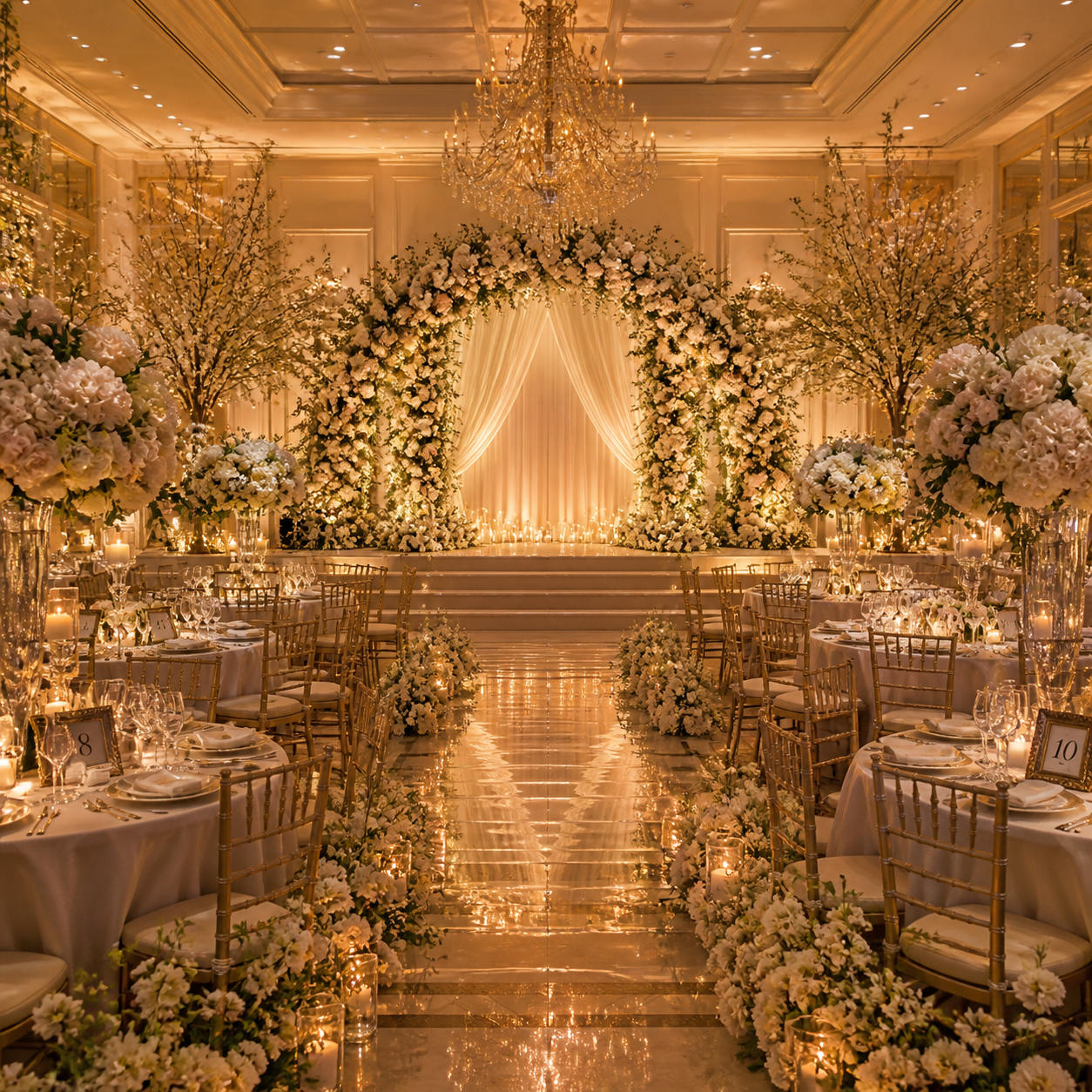
- Ballrooms and hotel venues — typically all-inclusive, with in-house catering, built-in accommodations, and experienced coordination staff. Ideal if you want a polished, low-logistics experience.
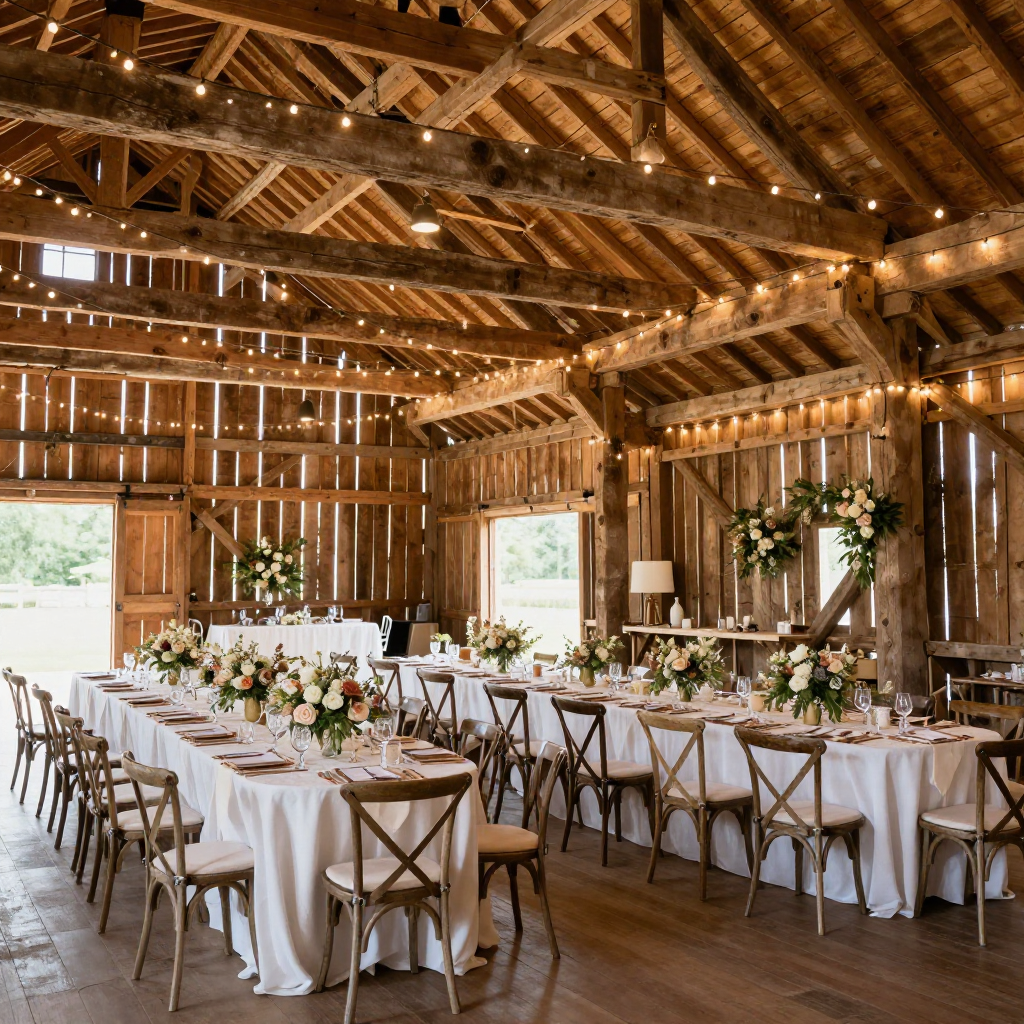
- Barn and rustic venues — usually raw spaces requiring more vendor coordination. They offer aesthetic flexibility but often need additional rentals (tables, linens, lighting, restrooms).
- Garden and outdoor venues — beautiful in good weather, complicated without one. Always ask about the contingency plan before committing.
- Historic estates and mansion venues — offer built-in character and photography backdrops, but may have strict vendor lists and noise ordinances.
- Industrial and loft spaces — blank-canvas venues that suit couples who want full creative control, but require more planning infrastructure.
The right venue style isn't just about aesthetics. It's about how much logistical work you're willing to take on — and whether your budget can absorb the extras that raw spaces often require.
Set a Realistic Venue Budget
Most couples should expect to spend 25–35% of their total wedding budget on the venue. On a $30,000 wedding, that's $7,500 to $10,500 — and that number can shift significantly depending on what's included.
Venue pricing is rarely straightforward. A quoted rental fee might cover only the space itself, while catering minimums, staffing charges, cake-cutting fees, and overtime costs are billed separately. Always ask for a full breakdown before comparing venues on price alone.
Key cost components to clarify upfront:
- Base rental fee (ceremony space, reception space, or both)
- Catering minimums if in-house food and beverage is required
- Service charges and gratuity (often 20–22% on top of catering costs)
- Required vendor fees or preferred vendor surcharges
- Setup and breakdown time included vs. charged hourly
The venue deposit — typically 25–50% of the total contract value — is due at signing. Factor this into your cash flow planning, not just your overall budget.
Visit and Evaluate Venues With a Critical Eye
A site visit should answer practical questions, not just confirm that the space is pretty. Arrive with a checklist and use it.
During every venue tour, pay attention to:
- Capacity and layout — Does the floor plan allow for a dance floor, a head table, and a bar without feeling cramped at your guest count?
- Natural and artificial lighting — Visit at the same time of day as your planned ceremony. Harsh midday light or dim interiors affect both ambiance and photography.
- Restrooms — Are there enough for your guest count? Are they accessible and well-maintained?
- Parking and accessibility — Is there on-site parking? Is the venue ADA-accessible for elderly guests or guests with disabilities?
- Outdoor vs. indoor flow — If the ceremony is outside and the reception is inside, how does the transition work? Is it logical and weather-protected?
- Noise restrictions — Many venues have hard sound cutoffs (often 10 or 11 PM) that affect your event timeline.
Take photos and notes during every visit. After the third or fourth tour, details blur together — and you'll want specifics when you're comparing options later.
Ask the Right Questions Before You Sign
A good venue coordinator will answer these questions readily. Hesitation or vague answers are themselves useful data.
Before committing to any venue, get clear answers on:
- Is our preferred date available, and how long will you hold it without a deposit?
- Are we required to use your in-house catering, or can we bring an external caterer?
- Do you have a preferred vendor list, and are there penalties for going outside it?
- What is your backup plan for outdoor ceremonies in bad weather?
- What does the cancellation or rescheduling policy look like — and what happens to our deposit?
- How many events do you host on the same day as ours?
- Is a dedicated venue coordinator included, or is that an additional cost?
The catering question is particularly important. Venues that require in-house catering remove flexibility but often streamline logistics. Venues that allow external vendors give you more control — but also more coordination work. Neither is inherently better; it depends on your priorities.
Compare Your Top Choices Side by Side
Once you've toured three to five venues, resist the urge to decide based on gut feeling alone. A simple comparison framework prevents you from overlooking a dealbreaker you glossed over during an exciting tour.
Create a comparison sheet — a spreadsheet works fine — and score each venue on the factors that matter most to you. Suggested categories:
- Total estimated cost (all-in, not just rental fee)
- Guest capacity match
- Catering flexibility
- Parking and accessibility
- Backup weather plan (if applicable)
- Coordinator responsiveness during the inquiry process
- Contract terms and cancellation policy
Weight the categories by what matters most to your situation. A couple with many out-of-town guests might weight proximity to hotels heavily. A couple with tight vendor budgets might prioritize catering flexibility above almost everything else.
If two venues score similarly, revisit your notes from the site visits. Sometimes the answer is in a detail you didn't think was important at the time — the coordinator's responsiveness, the restroom situation, how the space smelled.
How to Confidently Book Your Venue
Booking a venue means signing a contract and paying a deposit — usually in the same transaction. Read the contract carefully before either happens.
Specifically, review:
- Cancellation and force majeure clauses — What are you entitled to if the venue cancels? What do you forfeit if you do?
- Payment schedule — When is the balance due, and what are the penalties for late payment?
- Vendor restrictions in writing — Verbal assurances about outside caterers don't hold up if the contract says otherwise.
- Overtime fees — What happens if your event runs long?
If anything in the contract is unclear, ask for clarification in writing before signing. Most venues are willing to explain terms; the ones that aren't are telling you something important.
Once you're satisfied, sign, pay the deposit, and get written confirmation of your date. Then — and only then — start booking other vendors. Your venue date is the anchor everything else is scheduled around.
Frequently Asked Questions
How far in advance should you book a wedding venue?
Most couples book their venue 12 to 18 months before the wedding date. Popular venues in high-demand areas can be booked 2 years out for peak-season Saturdays. If you're planning a shorter engagement, prioritize venues with recent cancellations or those that specialize in shorter booking windows.
What is typically included in a wedding venue rental fee?
This varies widely. Some venues include tables, chairs, linens, a coordinator, and catering in a single package price. Others charge only for the physical space, with everything else billed separately. Always request an itemized list of what's included before comparing venues on price.
Can you use your own caterer at a wedding venue?
Some venues allow outside caterers; others require you to use their in-house catering or select from a preferred vendor list. Ask about this explicitly during your first inquiry — it's a non-negotiable for many couples and a dealbreaker worth knowing early.
What happens if a venue is unavailable on your preferred date?
Ask whether they have other dates available and whether your second-choice date works logistically for your vendors. If the venue is a strong fit but the date isn't, it's often worth adjusting the date rather than settling for a less suitable space. Wedding date flexibility is one of the most underrated assets in venue selection.
How do you choose between an indoor and outdoor wedding venue?
Outdoor venues offer natural beauty but require contingency planning for weather. Before booking any outdoor space, confirm that a credible indoor backup exists — not just a tent, but a genuinely usable alternative. If the venue can't clearly explain its weather plan, that's a red flag regardless of how stunning the garden looks on a sunny day.