How to Plan a Wedding on a Budget: Practical Tips and Tricks That Actually Work
Planning a wedding on a limited budget isn't about cutting corners — it's about spending intentionally. The couples who pull off beautiful, memorable weddings without breaking the bank aren't necessarily lucky; they're strategic. They know which decisions drive costs up and which ones can be swapped without guests ever noticing the difference.
This guide walks through the most effective, concrete steps you can take right now to keep your wedding budget under control while still creating an experience that feels genuinely yours.
Start With a Realistic Budget Before Anything Else
Before booking a single vendor or visiting a single venue, your first step is defining a firm total number — and breaking it into spending categories. Without this foundation, every decision becomes a guess, and costs spiral quickly.
Sit down with your partner (and any family members contributing financially) and agree on a hard ceiling. Then allocate rough percentages across the major categories. A commonly used distribution for mid-size weddings looks something like this:
- Venue: 25–30% of total budget
- Catering and bar: 30–35%
- Photography and videography: 10–12%
- Flowers and décor: 8–10%
- Music and entertainment: 5–8%
- Attire and beauty: 5–8%
- Stationery, favors, and miscellaneous: 5–7%
These aren't rigid rules — they're a starting framework. What matters is that you assign every dollar a job before vendors start pitching you on upgrades. A written priority list created at this stage will protect you from emotional overspending later, when the excitement of planning makes every add-on feel essential.
Also build in a buffer of 5–10% for unexpected costs. Overtime fees, last-minute alterations, gratuities — these surprises are less surprising when you've planned for them.
Trim the Guest List — It's the Fastest Way to Cut Costs
Guest count is the single biggest lever in your wedding budget. Every additional person raises catering costs, venue capacity requirements, stationery expenses, and sometimes even staffing fees.
Most catering contracts are priced per head, typically ranging from $75 to $200+ per guest depending on service style and location. A difference of 30 guests can represent $3,000–$6,000 in catering alone — before you factor in the larger venue you'll need to accommodate them.
Making cuts to the guest list is emotionally difficult, but a few frameworks help:
- The "two-year rule": If you haven't spoken to someone in two years outside of social media, they likely don't need to be at your wedding.
- No-plus-ones for single guests: Unless they're in a serious relationship, this is a widely accepted boundary at smaller weddings.
- Adults-only reception: Eliminating children (except immediate family) can reduce headcount significantly without offending close relatives.
If cutting the list feels impossible, consider an intimate ceremony with a broader celebration — a dinner party or backyard gathering — a few weeks later. Many couples find the smaller event actually feels more meaningful.
Choose Your Venue and Date Strategically
Venue and wedding date are deeply connected cost drivers — and both offer significant savings potential when chosen thoughtfully. Off-peak dates and non-traditional venues can reduce venue costs by 20–40% compared to Saturday evenings in peak season.
Off-peak timing: November through March (excluding the holiday weeks) and weekday bookings — particularly Fridays and Sundays — consistently come with lower base rates. Some venues offer Sunday pricing that's 15–25% below Saturday rates for identical packages.
Non-traditional venues are where budget-conscious couples often find the most creative freedom:
- Public parks and botanical gardens (often require only a permit fee)
- Community halls and local event centers
- Family-owned properties or a relative's large backyard
- Restaurants with private dining rooms for smaller guest counts
- Art galleries, breweries, or historic buildings open to private events
The trade-off with non-traditional spaces is logistics. You may need to rent tables, chairs, linens, and restroom facilities separately — costs that a traditional venue bundles in. Run the full numbers before assuming a non-traditional space is cheaper. Sometimes it is; sometimes the rental add-ons close the gap.
Prioritize Your Spending on What Matters Most
A budget wedding done well isn't about spending less on everything — it's about spending more on two or three things that genuinely matter to you, and less on everything else. This mindset shift changes the entire planning experience.
Early in the process, each partner should independently list their top three non-negotiables — the elements where quality directly affects their enjoyment of the day. Then compare lists. You'll often find surprising alignment, and the areas where you both ranked something low are your clearest targets for savings.
Common examples of intentional reallocation:
- Couples who prioritize photography invest more there and simplify florals to grocery-store arrangements in statement vases.
- Food-focused couples splurge on a caterer and skip a live band in favor of a curated playlist.
- Venue-first couples choose a stunning location and offset costs with DIY décor and a simpler cake.
The priority list also acts as a decision filter throughout planning. When a vendor pitches an upgrade, the question isn't "Is this nice?" — it's "Is this on our priority list?" If the answer is no, it's much easier to decline gracefully.
DIY Where It Makes Sense — and Know When It Doesn't
DIY décor, invitations, and favors can meaningfully reduce costs — but only when the effort is realistic and the stakes are low. Knowing the difference between high-impact, low-risk DIY and high-stress, high-risk DIY is what separates a smooth experience from a chaotic one.
Strong DIY opportunities:
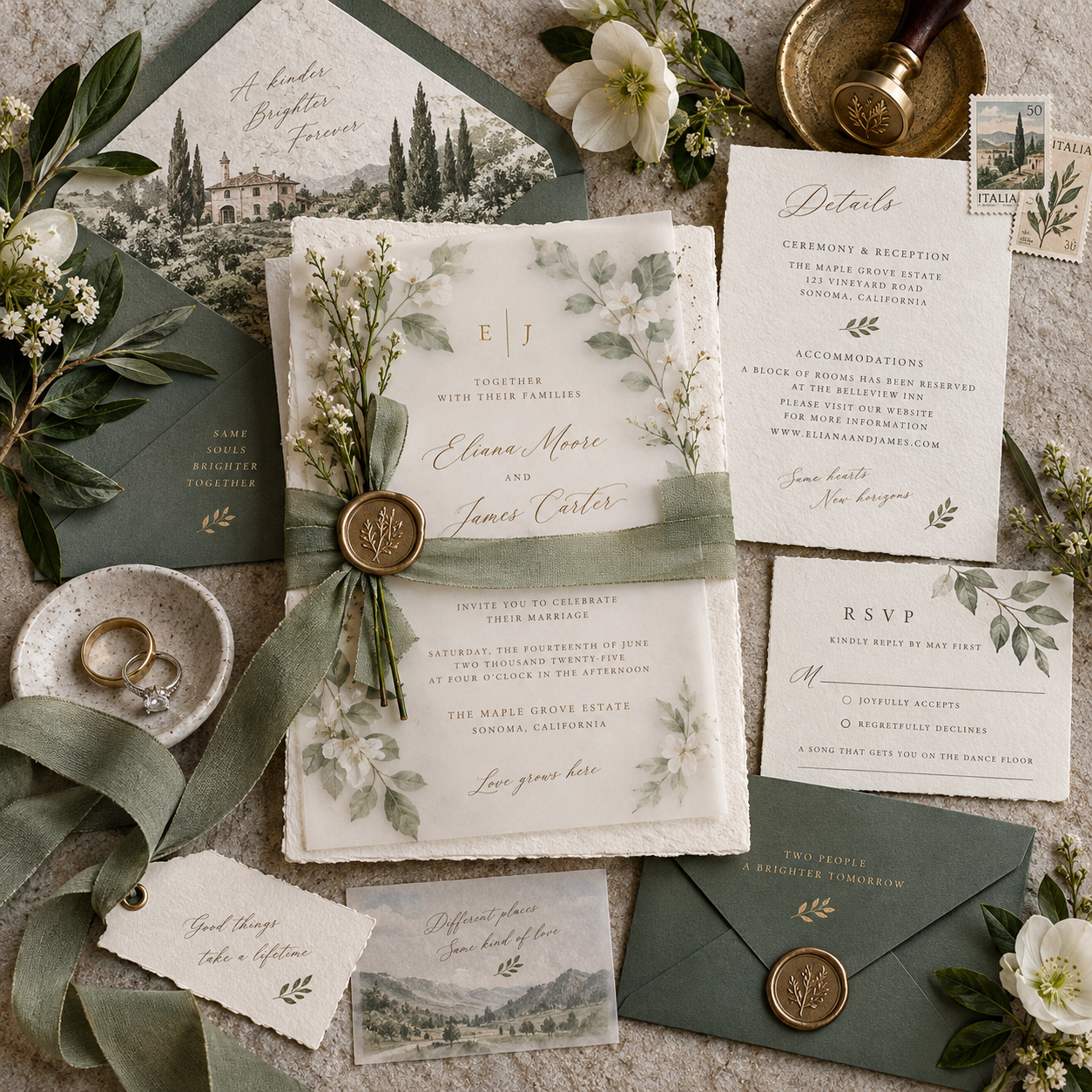
- Paper goods — invitations, menus, table numbers, and signage using Canva or similar design tools
- Centerpieces using dried botanicals, greenery, candles, and thrifted vessels
- Favors — small jars of honey, homemade jam, or seed packets
- Welcome bags assembled from bulk-purchased local products
- Photo booth props and backdrop
Where to avoid DIY: Photography, catering, and anything requiring licensed professionals. A friend with a good camera is not a replacement for a trained wedding photographer. The images from your wedding are the primary artifact you'll keep for decades — this is one area where most couples who've been through it recommend protecting the budget.
Catering is similarly high-stakes. Food safety, timing, and volume are genuinely difficult to manage without experience. If you want to incorporate homemade elements, consider a dessert table with family contributions rather than DIY-ing the main meal.
Negotiate With Vendors and Explore Package Deals
Most wedding vendors have more pricing flexibility than their initial quotes suggest — especially for off-peak dates, shorter coverage hours, or bundled services. Asking directly is the most underused tool in wedding budget planning.
A few approaches that work well:
- Ask about off-season discounts upfront. Many photographers, florists, and caterers offer reduced rates for winter months or weekday bookings. They'd rather fill a date at a lower margin than leave it empty.
- Bundle services where possible. Some venues offer in-house catering, furniture, and coordination at a package rate that undercuts hiring each vendor separately.
- Get at least three quotes per vendor category before committing. Prices for identical services vary significantly across vendors, and having competing quotes gives you leverage in conversations.
- Be transparent about your budget. Telling a vendor your ceiling isn't a weakness — it helps them propose a package that actually fits, rather than quoting their standard rate and watching you walk away.
Local vendors often offer better value than nationally recognized names, and they tend to be more flexible on customization. A local florist who knows your venue's light conditions may deliver better results than a large studio with a higher overhead.
Small Swaps That Add Up to Big Savings
Some of the most effective budget moves are small substitutions that guests simply don't notice. Individually, each swap saves a few hundred dollars; together, they can free up thousands.
- Digital invitations via Paperless Post or Zola instead of printed suites — saves on design, printing, and postage
- Silk or dried florals mixed with fresh greenery — dramatically lower than all-fresh arrangements, and often more durable for outdoor ceremonies
- Dessert alternatives — a single-tier cutting cake supplemented by a dessert bar (donuts, cookies, a pie display) costs far less than a multi-tiered custom cake
- A curated Spotify playlist for cocktail hour and dinner, with a DJ only for dancing — or a DJ instead of a live band for the full reception
- Buffet or food stations instead of plated service — per-head costs are lower, service staffing is reduced, and guests often prefer the flexibility
- A wedding registry that includes a cash fund or honeymoon contribution option, reducing pressure to spend on physical gifts guests may not use
None of these swaps signal "budget wedding" to your guests. What they remember is whether they felt welcomed, whether the food was good, and whether the couple seemed happy. The details that cost the most are rarely the ones that create those memories.
Frequently Asked Questions
What is a realistic average wedding budget for a small or mid-size wedding?
A small wedding of 30–50 guests can be planned for $8,000–$15,000 with careful prioritization. A mid-size wedding of 75–100 guests typically runs $18,000–$30,000, depending heavily on location, venue type, and catering style. Costs vary significantly by region — urban markets in the Northeast or California run higher than Midwest or Southern venues for comparable services.
How do I split the budget fairly between venue, catering, and other vendors?
A practical starting point: allocate roughly 55–65% of your total budget to venue and catering combined, since these are the most fixed, per-head costs. The remaining 35–45% covers photography, florals, attire, music, and miscellaneous expenses. Adjust based on your priority list — if photography is a top priority, shift more from florals or entertainment.
Is it worth hiring a wedding planner if I'm on a tight budget?
A full-service wedding planner may be out of reach on a tight budget, but a day-of coordinator is often worth every dollar. Rates typically run $500–$1,500, and their job is to execute your plan so you're not managing vendors and timelines on your own wedding day. Many couples who skip this step regret it — the stress of logistics on the day itself is real.
How can I make a budget wedding look expensive?
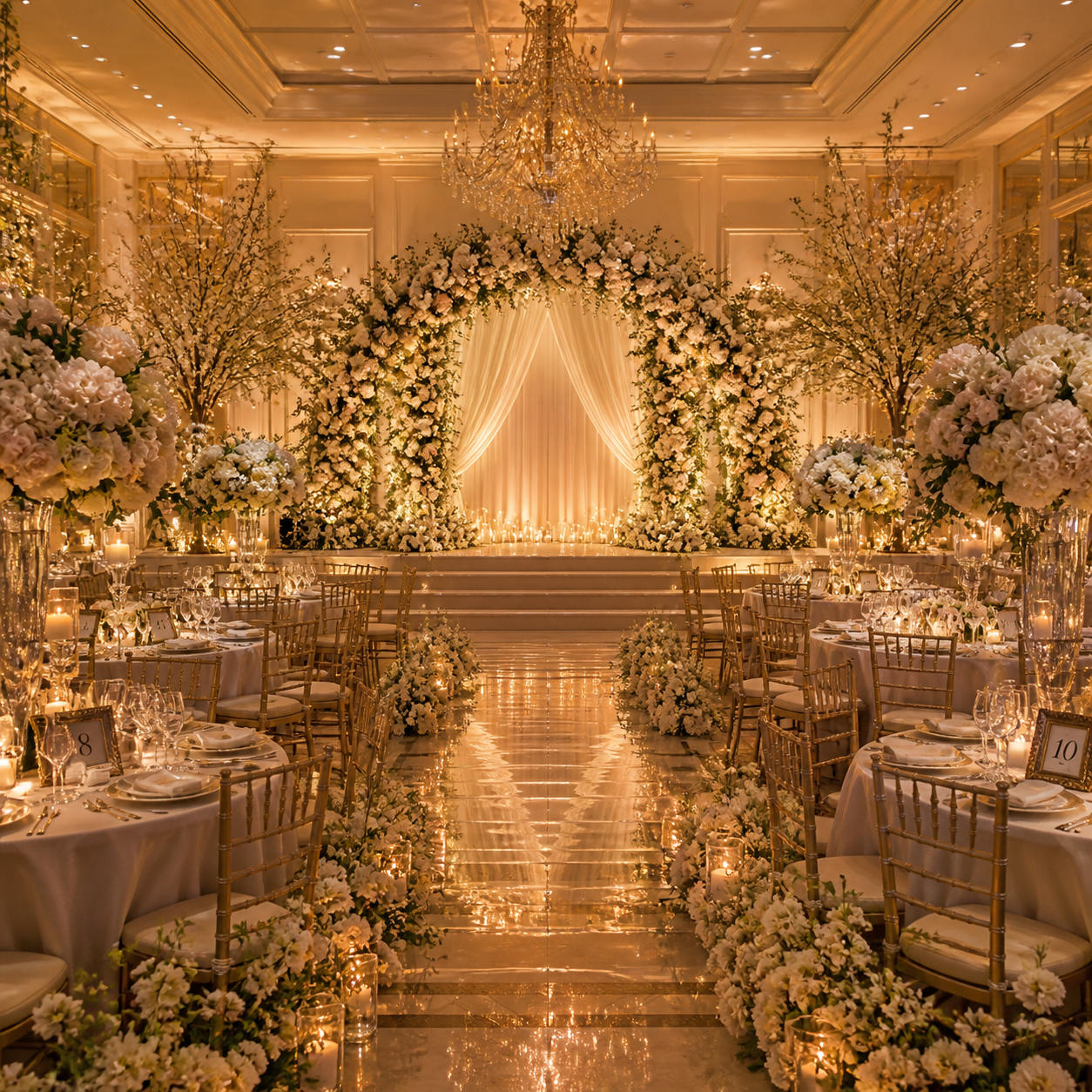
Lighting is the most underrated tool in this category. String lights, candles, and uplighting transform a basic space more effectively than elaborate florals. Beyond that: consistent color palette, greenery-heavy arrangements (which photograph beautifully), and a clean, uncluttered aesthetic all read as intentional rather than budget-constrained.
What wedding costs are easiest to cut without guests noticing?
Stationery (switching to digital), wedding favors (most guests leave them behind), elaborate cake design, a second photographer, and printed programs are among the easiest cuts. Guests notice food quality, music energy, and how welcomed they feel — they rarely notice whether the invitation was letterpress or digital.