


The Ultimate Wedding Timeline: From Engagement to “I Do”
Wedding planning is easier when you know which decisions need attention now and which can wait. This chronological wedding timeline takes you from engagement to the wedding ceremony and reception, with flexible milestones for choosing a budget, booking a venue, coordinating wedding vendors, and communicating with guests.
Use it as a guide, not a rigid rulebook. Your engagement length, location, season, and priorities will shape the schedule, and a wedding planner can help keep decisions and deadlines aligned.
Right After the Engagement: Set Your Priorities
After the engagement, start by agreeing on your wedding vision, a preliminary budget, an approximate guest count, and a preferred date or season. These decisions create the framework for comparing venues and making the next choices.
Talk about the experience you want: an intimate gathering or a large celebration, a formal or relaxed atmosphere, and any traditions that matter to you. You do not need a full design plan yet. A few shared priorities can help you make decisions without getting pulled in every direction.
- Set an initial budget range. Discuss who is contributing, what each person expects to cover, and how much you are comfortable spending. Leave room for taxes, service charges, and unexpected costs.
- Draft a guest list. A rough count is enough at this stage. Venue capacity and catering costs often depend on the number of guests.
- Choose a date window. Consider work schedules, travel, weather, and meaningful dates. Flexibility can increase your venue options.
Keep major decisions in one shared document. Record estimates, questions, and decisions as you go; it is easier to revisit a clear note than to reconstruct a conversation weeks later.
12–18 Months Before: Build the Foundation
With 12–18 months to plan, focus on hiring a wedding planner if desired, setting a workable budget, researching wedding venues, and securing your date. These foundational choices affect most of the decisions that follow.
Choose your planning support
A wedding planner can help with budget tracking, venue comparisons, vendor recommendations, contract questions, and the overall schedule. Services vary: some planners support the full planning process, while others provide coordination closer to the wedding day. Ask what is included, how communication works, and whether the fee fits your budget.
Compare venues and set the date
Tour venues with your guest-count range and priorities in mind. Ask about capacity, catering requirements, accessibility, setup and cleanup times, weather plans, and what is included in the rental. A venue that looks appealing may cost more once rentals or required services are added, so compare the full estimate rather than the base fee alone.
Once you select a venue, review the contract, payment schedule, cancellation terms, and date details before signing. Availability varies by location and season, so start researching early if your date is fixed; if your schedule is flexible, you may have more choices.
9–12 Months Before: Book Your Key Vendors
At 9–12 months out, prioritize wedding vendors who are central to your plans, especially catering, photography, and entertainment. Availability depends on the market and date, so contact vendors once your venue and wedding date are confirmed.
Start with services that shape the guest experience or require substantial coordination. Depending on the venue and your plans, that may include a caterer, photographer, videographer, florist, band or DJ, officiant, and transportation provider. You do not have to book every vendor at once. Compare proposals, confirm what each package includes, and check how the vendor works with your venue.
- Ask about fees, deposits, payment dates, overtime, cancellation terms, and backup plans.
- Confirm the service hours and the number of staff or performers included.
- Share important constraints, such as venue rules, accessibility needs, or a tight setup window.
A wedding planner can help you compare proposals and identify gaps between vendor responsibilities. For example, confirm who supplies microphones for the ceremony and who manages the reception sound. Clear answers now reduce last-minute coordination.
6–9 Months Before: Shape the Details
Six to nine months before the wedding, develop the details that make the day yours: attire, design, ceremony plans, and early guest communications. Keep the decisions tied to the budget and the practical needs of your venue.
Begin attire shopping early enough to allow for ordering, alterations, and fittings. Timing varies by designer and retailer, so ask about delivery dates before committing. At the same time, choose a design direction for flowers, table settings, and other décor. A simple mood board can help vendors understand your preferences, but it should support decisions rather than create new expenses.
Discuss the wedding ceremony with your officiant. Confirm the order of events, readings, music, participants, and any religious or cultural requirements. If the ceremony and reception happen in different places, consider travel time and guest instructions when building the schedule.
Prepare a wedding website or another clear information source with the date, location, travel details, and accommodation guidance. If guests will need to book travel or lodging, sharing reliable information early gives them more time to plan.
3–6 Months Before: Confirm and Coordinate
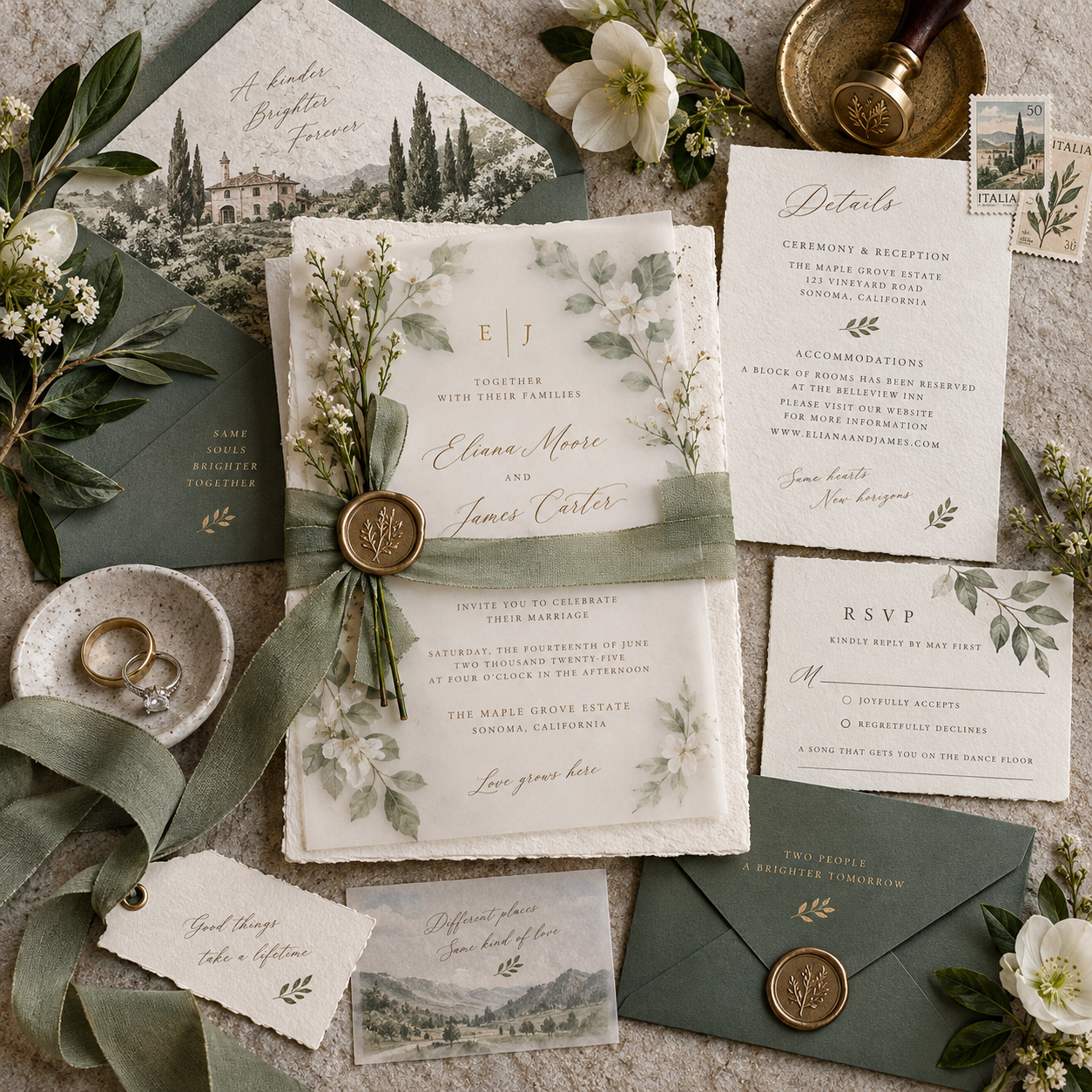
From three to six months out, send invitations at a time suited to your event, track RSVPs, and turn your plans into a coordinated schedule. Use confirmed guest information and vendor requirements to refine the budget and logistics.
Invitation timing depends on how much notice guests need, especially if travel is involved. Set an RSVP deadline that gives you time to provide final numbers to the caterer and venue. Track responses in one place, including meal choices and any relevant accessibility requests.
Review details with each vendor: arrival and setup times, points of contact, equipment, delivery instructions, and payment dates. Ask your venue and caterer when they need the final guest count, then set an earlier personal deadline so you have time to follow up with guests.
Draft the day-of schedule around real transition times, not just the ceremony start. Include setup, getting-ready time, photography, guest arrival, the ceremony, travel if needed, dinner, speeches, and dancing. Share the working schedule with your wedding planner and vendors so they can flag conflicts before the day.
The Final Weeks and Wedding Day
In the final weeks, confirm every vendor, finalize guest and seating details, and share the approved schedule with everyone who needs it. On the wedding day, the planner or designated coordinator can manage transitions so you can focus on the ceremony and reception.
Reconfirm arrival times, contact numbers, delivery access, balances due, and the backup plan for outdoor events. Make sure someone other than the couple knows where key items are, such as rings, printed vows, place cards, and vendor tips if applicable. Pack personal essentials in advance and set aside time for rest; trying to solve every small issue personally can leave you drained before the celebration begins.
A typical sequence might be: preparations and portraits, guest arrival, the wedding ceremony, a transition or cocktail hour, the wedding reception, dinner and speeches, then dancing. The exact order depends on your culture, venue, and priorities. Build a little breathing room between major events so a delayed photograph or longer greeting line does not push the whole schedule off course.
Adjusting the Timeline to Fit Your Wedding
Your wedding timeline should reflect your engagement length, location, season, and planning preferences; there is no single schedule that suits every couple. Keep the essential milestones, then move or combine flexible tasks to fit your circumstances.
For a shorter engagement, first check venue availability, legal or ceremony requirements, and vendor capacity. Simplify choices where possible, consider a weekday or less-busy date, and ask a planner which decisions have the biggest effect on feasibility. A shorter timeline may mean fewer venue options or less time for custom details, but it does not prevent a well-organized celebration.
For a longer engagement, avoid treating every early idea as a commitment. Revisit the budget and guest list when estimates become clearer, and keep a record of contract deadlines. If your wedding is in a destination or during a busy local season, prioritize guest travel information and venue logistics earlier.
Wedding timeline FAQs
When should we hire a wedding planner? Hire one when you know the level of help you need and can include the service in your budget. Full-service planning often starts early; coordination-only support may begin closer to the wedding, depending on the provider.
How far in advance should we book a wedding venue? Begin researching as soon as you have a rough guest count and preferred date window. Book when you find a suitable venue with availability and terms you understand; popular dates can be more competitive, but timing varies by region.
What if our engagement is shorter than a year? Focus first on the venue, date, ceremony requirements, and essential vendors. Keep the guest list and design manageable, and use a planner if coordinating the compressed schedule feels difficult.
When should wedding invitations be sent? Choose a mailing date based on your guests’ travel needs and the time required to collect RSVPs. Set a response deadline that leaves enough time to confirm final numbers with your venue and caterer.